
The Historic Polegreen Church
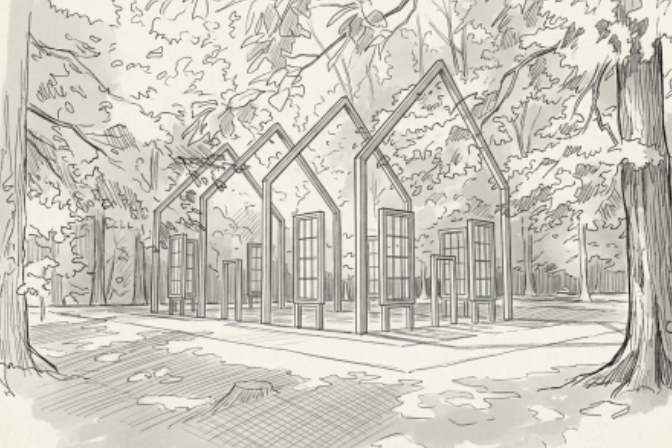
Concept sketch of the church structure memorial
Where Religious Freedom Began in Virginia
Polegreen Church was at the center of the fight for religious liberty in colonial Virginia, and its story shaped the nation’s history.
Did You Know?
Patrick Henry learned to be an orator here, worshipping alongside his mother for 12 years
The first African American spiritual is traditionally associated with Historic Polegreen: “Lord, I want to be a Christian in my Heart”
America's first hymn writer served as pastor here
The church survived 120 years of revolution and war, only to be destroyed in 1864 by tragic friendly fire
The Beginning: When Faith Was Illegal
1607-1730s: One Church, One Rule
For 170 years, Virginia had only one legal religion: the Anglican Church. The colonial government built the churches, paid the clergy, and taxed everyone whether they agreed or not. All other faiths were actively suppressed.
1739: A Spark Ignites
When British evangelist George Whitefield preached in Williamsburg, his message spread like wildfire. A Hanover County brick mason named Samuel Morris did something radical: he began gathering neighbors in his home on Sunday afternoons to read the Bible and Whitefield's sermons.
This was the beginning of Virginia's religious freedom movement.
1743: The First Victory
After years of meeting in secret, four “reading houses” were officially licensed as the first legal non-Anglican gathering places in Virginia. The one on Morris' land was named after George Polegreen, a previous landowner.
Reverend Samuel Davies
The Samuel Davies Era (1747-1759)
The Man Who Changed Everything
At just 23 years old, Reverend Samuel Davies arrived from Pennsylvania as the first non-Anglican minister ever licensed to preach in Virginia. Over the next 12 years, he became a force of nature:
As an Educator:
Pioneered education for enslaved people
Among the first American hymns and poetry
Published widely, spreading ideas throughout the colonies
As a Patriot:
Became “the best recruiter in the Colony” during the French and Indian War (according to Governor Dinwiddie)
Inspired a generation of revolutionary leaders
As an Orator:
Had “no peer as a pulpit orator in Virginia or perhaps in all the colonies”
Personally mentored young Patrick Henry, who later said Davies taught him “what an orator should be”
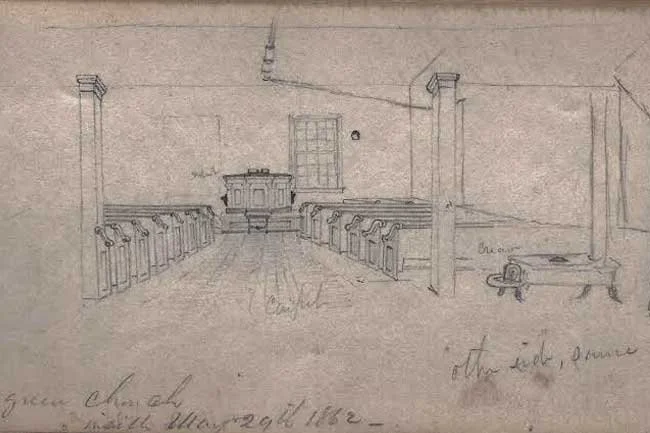
Interior of Historic Polegreen Church: Drawing by Lieutenant Thomas M. Farrell, 1862
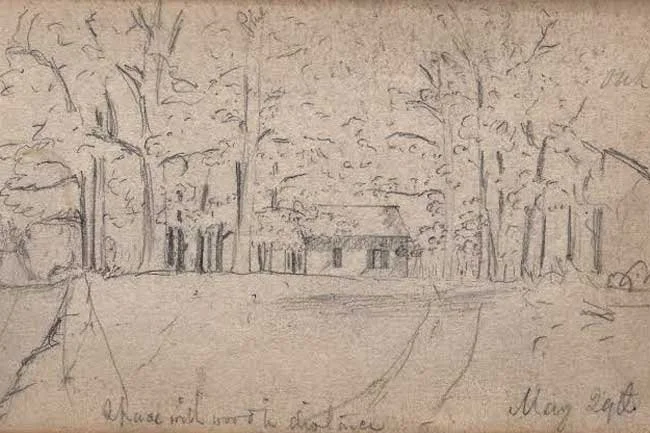
Exterior of Historic Polegreen Church: Drawing by Lieutenant Thomas M. Farrell, 1862
Why Polegreen Matters Today
This isn't just local history. Polegreen Church represents:
An early milestone in Virginia’s fight for religious freedom.
The power of peaceful resistance to unjust laws
Early efforts toward racial equality in education
The training ground of Revolutionary leaders
A bridge between colonial and modern America
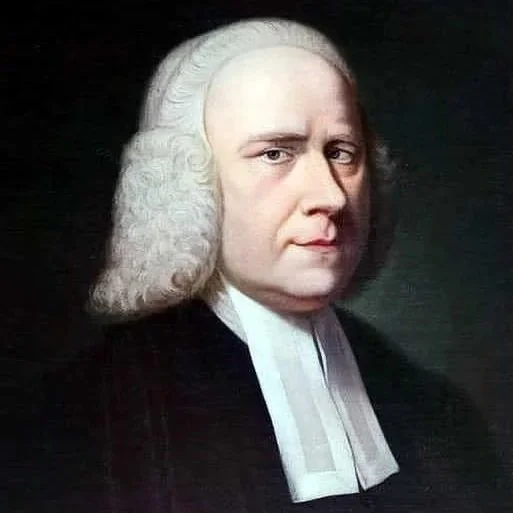
George Whitefield
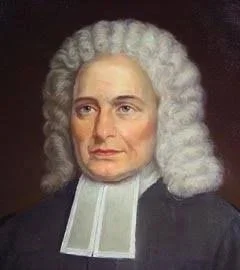
Reverend Samuel Davies
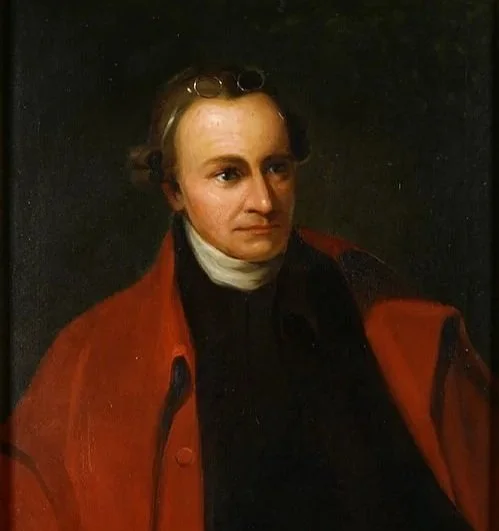
Patrick Henry
The Civil War Tragedy
May 29, 1862: Documented
Union Lieutenant Thomas M. Farrell sketched the church while on reconnaissance. His drawings are the only surviving images of the original structure. (His great-grandson discovered them decades later while cleaning a basement!)
May 1864: Destroyed
During Grant's attempt to break through Lee's lines at Totopotomoy Creek, Union forces occupied Polegreen Church as a strategic position. Confederate artillery fired to dislodge them.
The heartbreaking irony: The Confederate gunner whose shot set the church ablaze was William S. White. His own father had been baptized at Polegreen.
1864-Present: Lost and Found
The war-ravaged congregation couldn't afford to rebuild. Over the decades, all physical traces vanished. But the story and the legacy survived.
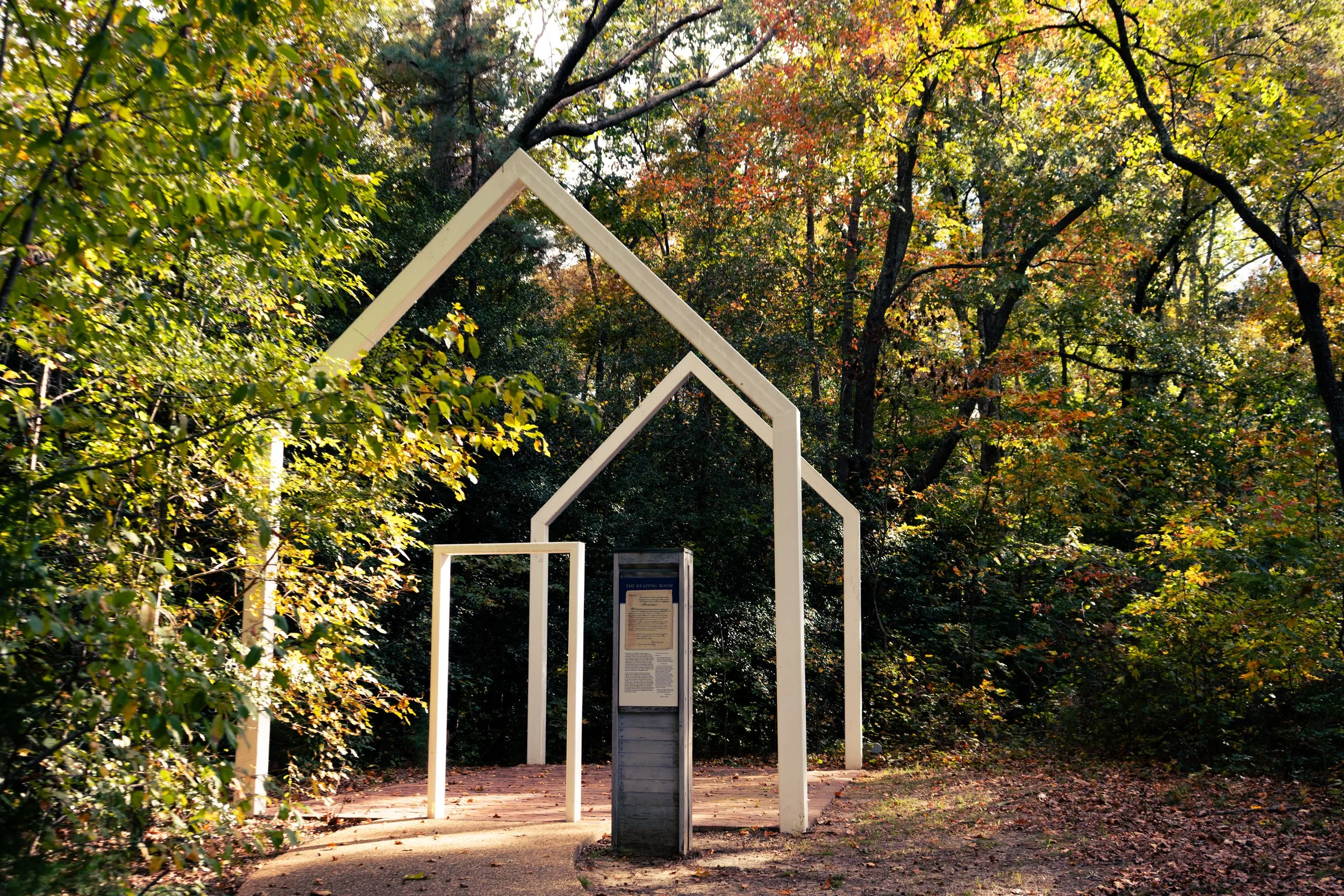
The Meeting House at Historic Polegreen Church (Photo: Madilyn Crowder)